
Appropriation
Ignoring the context.

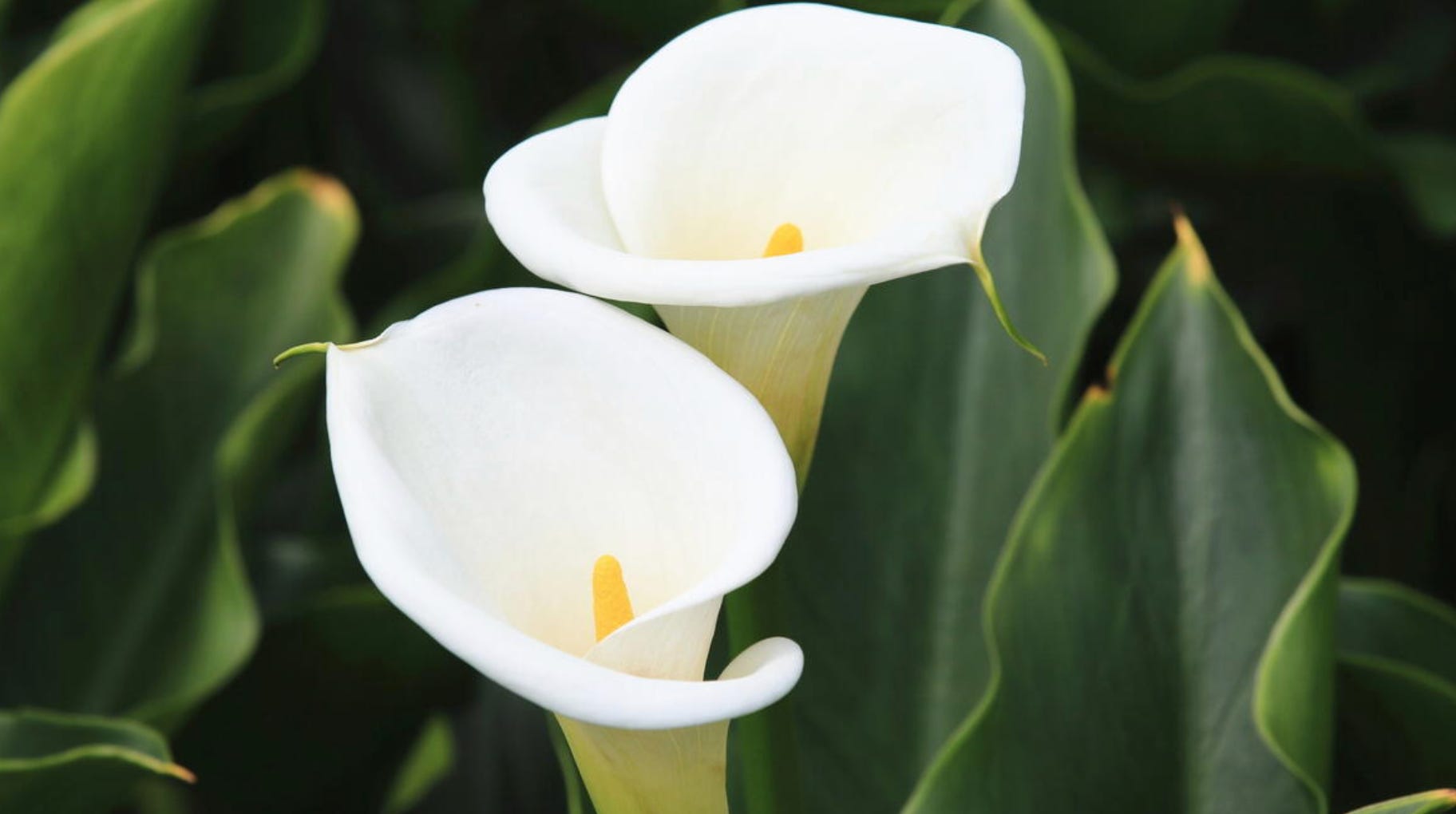
So many attempts to repair things. February 1, 2013, the occasion of our 11th wedding anniversary, I gave it another go. It was part of an event I produced at Darling Coffee, which later became Buunni Coffee. It was called the OM Grown Variety Show, a name that was later abolished due to the cultural appropriation of the word OM. OM or AUM (ah oo mmm) is a Sanskrit word representing the hum of the universe. Years later, just prior to the plague years, I was at the counter at Buunni laying down a stack of postcards for another iteration of the show when I heard a voice behind me ask with a certain tone of irritation, “what’s OM Grown? What does that mean?” Long story short, I turned around and was confronted by a short middle-aged Indian woman. She schooled me on the finer points of cultural appropriation. After much agitation and marination, I ultimately decided it wasn’t worth any further argument so I canceled the show and never produced another one. Incidentally, our children are named Bodhi and Ananda and, after that rather ugly exchange, for a brief period, I felt some guilt and shame about the potential cultural appropriation of their names, both Sanskrit as well. Back in 2013, I asked eight year old Ananda to read Sonnet 116 since it was our anniversary, “let me not to the marriage of true minds admit impediments; love is not love which alters when it alteration finds, or bends with the remover to remove…” Things were still rather prickly and tentative in our marriage but you were beginning to physically move back to our apartment, much to my relief. At the end of the show, I introduced Ananda and said, happy anniversary, publicly gushing about you. My intention was heartfelt. I truly wanted to repair our marriage. She read the poem and presented a bouquet of calla lilies to you, the flowers you held at our wedding, now symbolizing renewal. Everybody was touched, except you. Afterwards, at home, I was berated for being emotionally manipulative in a public space. Thinking back, I now wonder if I had appropriated something from you. Perhaps I misread the situation although I meant no harm. For you what I did was humiliating and in-appropriate. In retrospect, I clearly appropriated your feelings and caused harm. For you, what I did was performative and your anger later mirrored the Indian woman’s feelings about the word OM. For me, I was attempting to express something and, at the time, I thought it was unconditional love. Today I am questioning my original intention with more awareness. The OM Grown title was something we both thought was an innocent play on words. The reading of Sonnet 116 was an innocent attempt to celebrate our union through the mouth of the tangible product of our love, Ananda (bliss). It was most definitely performative in that I decided to include it as part of the show. Both cases of appropriation were perceived as unconscious attempts of othering. Perhaps it’s naïve on my part. Perhaps it was childish, adolescent or juvenile. I remember this today, the eve of what would have been our 24th wedding anniversary. I don’t know if we’re officially divorced or not, but the papers are signed. I believe it’s going through the courts right now, whatever that means. Anyway, that was the story. I don’t remember all the details and I could be getting some of it wrong. I remember the feelings though. Both confrontations felt like a slap upside the head from a stern teacher. In both scenarios I felt ashamed and misunderstood. Today I feel truly awful, grieving the loss of our family, but I still often wonder why it is that I didn’t just walk away back in 2012. What kept me in it for so many years is really the story here. Perhaps it was the idea that I thought somebody loved me for who I was, who I am, and together we could take on the full catastrophe of our combined early childhood trauma, but I was wrong about that.
Ommmmmmm….
Beautiful story! Cultural appropriation is a rocky road. I’m mixed heritage American & extended relatives often compete to celebrate the heritage they find most proud. This, at times, led to some cringey gatherings so I tried to keep the peace by reminding everyone we’re all Americans, we’re all human, we’re all related. Not sure how that approach would work in today’s America 🤬🇺🇸🤬
I wonder if you might find the relief you seek by forgiving yourself?
You say “but you were beginning to physically move back to our apartment, much to my relief.”
It was not any type of appropriation that was the cause of the suffering, it was the relief you had when someone returned, which to me signifies that they likely both of you unconsciously allowed them to carry something that was yours.
I am working through something similar with my own children and even my ex-husband (though he’s not aware) I would be glad to recommend some simple practices that may assist you if you would find that helpful.